Welcome to Signal in the Noise, where we show you the real-world impact behind trending news.
Last week, Eddie Kim, President of Memo at Signal AI, sat down with Jenna Clark, who has worked through crises at Google and Airbnb, to talk about what happens when almost every announcement draws a critic. If you missed it, here's what stood out.

Then sentiment shifted against big tech, and Jenna shared what she does now that someone is always upset.
The question we’re asking: How do you act when no message will please everyone?
1. 1 decision, 2 reactions: someone will always be upset
Jenna’s starting point is blunt: there’s always going to be someone who’s unhappy. Take Airbnb telling guests they no longer have to take out the trash, clean the dishes, or strip the beds. Hosts weren’t happy. Jenna says chores had been a constant nagging point for guests, and Airbnb was facing serious competition from hotels. Her rule for a decision like that: be clear about it, and make sure the group that lost out still feels supported. Good comms, she says, lets people say they don’t like a decision but understand why it was made.
2. The vocal minority trap: know what normal sounds like
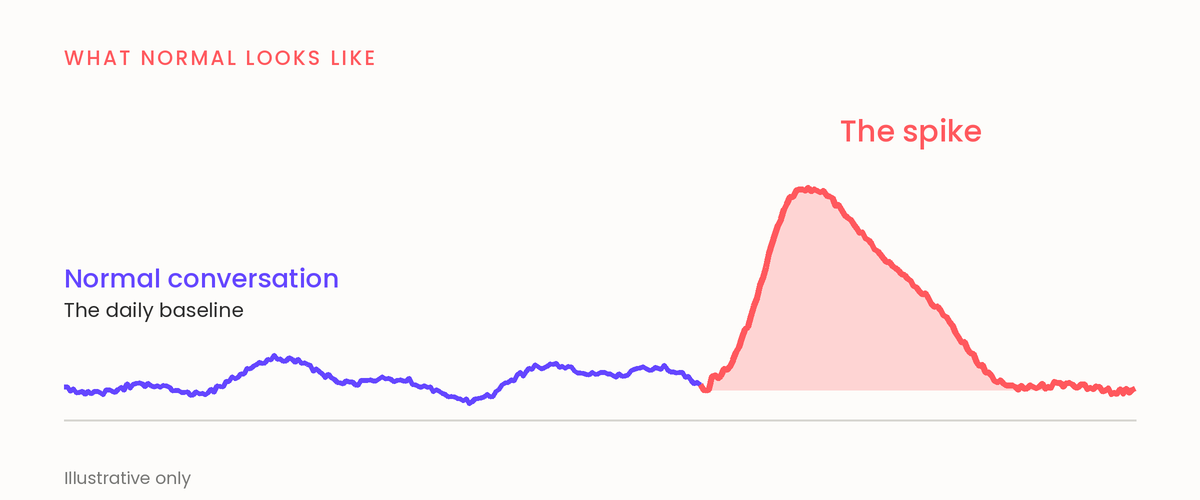
A spike in negativity can look like a crisis, and press inbounds can follow because reporters feed off the surge in social conversation. Jenna’s answer is to know what normal sounds like first: who your audience is, where they hang out, and what they talk about every day. That familiarity is how her team identified bots in the early Gemini days. The accounts looked alike, and their tweet histories were a little strange. Responding to them, she warns, creates a new issue on top of the one you already have.
3. 1 audience: internal comms are external comms
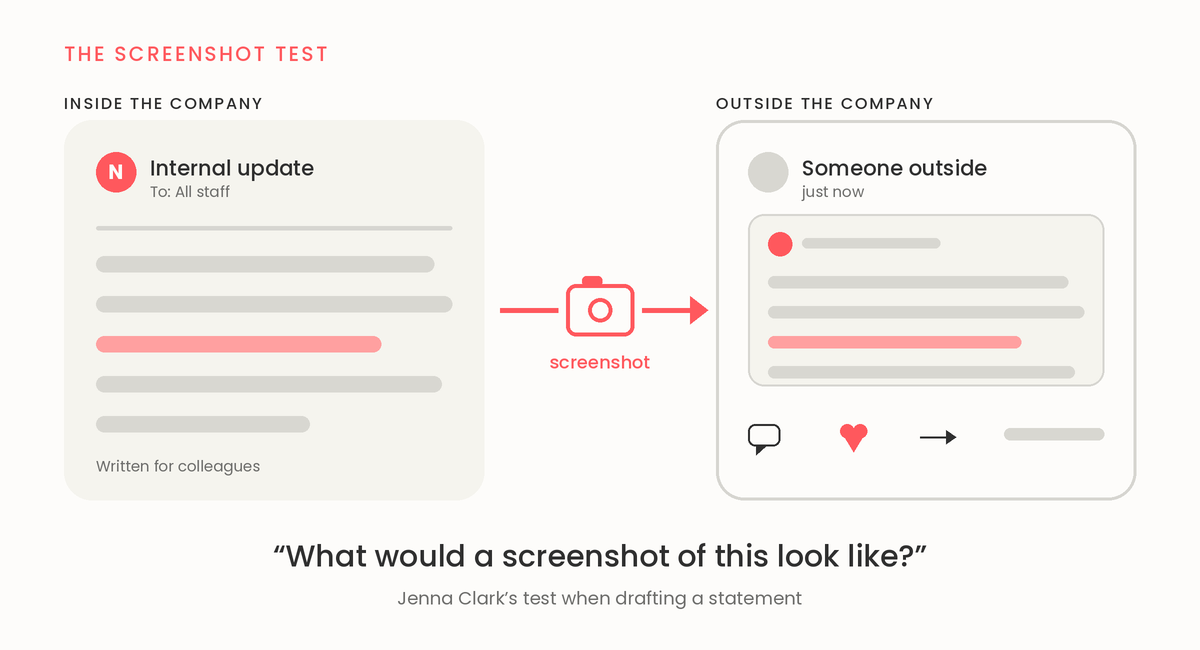
Her next rule: assume everything leaks. When drafting a statement, Jenna asks what a screenshot of it would look like. If the internal version looks bad externally, adjust the external messaging, because at that point you just have one audience. Internal comms, she says, is another version of external comms, because employees “can be your biggest brand ambassadors and advocates, but they are also your harshest critics.”
Final thoughts
You won’t write the message that pleases everyone, so write the one people can understand. Jenna’s advice for the hard moments is “preparation, buckle up,” and be as thoughtful as possible. She doesn’t remember 90% of the issues her Google team had, because there was always something new to move on to. Eddie put it best: “You have to be so prepared that when something happens, you react to it so fast that it seems like you predicted the future.” Still ahead in the recording: why an old story can restart a crisis, and why Jenna says certainty raises the odds that something goes wrong. Hear the rest of her playbook.
Until next time,
Nikki at Signal AI
Resource round-up:
- When Half Your Audience Hates What You Have to Say: Communicating When You Can’t Please Everyone (Signal AI webinar, November 19, 2026)
Methodology:
This edition draws on a recorded, conversation-style webinar held on November 19, 2026. Eddie Kim, President of Memo at Signal AI, interviewed Jenna Clark, a communications and analytics executive with experience at Google, Airbnb, and Edelman, and covered pre-submitted questions from comms professionals.

When Half Your Audience Hates What You Have to Say: Communicating When You Can’t Please Everyone
Eddie Kim, President of Memo, and Jenna Clark, former Google and Airbnb Comms Exec, explore what it takes to navigate competing narratives. Learn how to identify the audiences shaping a story, decide whom you need to reach, and respond when there is no statement everyone will welcome.