
Your most-read article isn't always your most influential. Here's why AI citations are changing how PR teams measure earned media success.
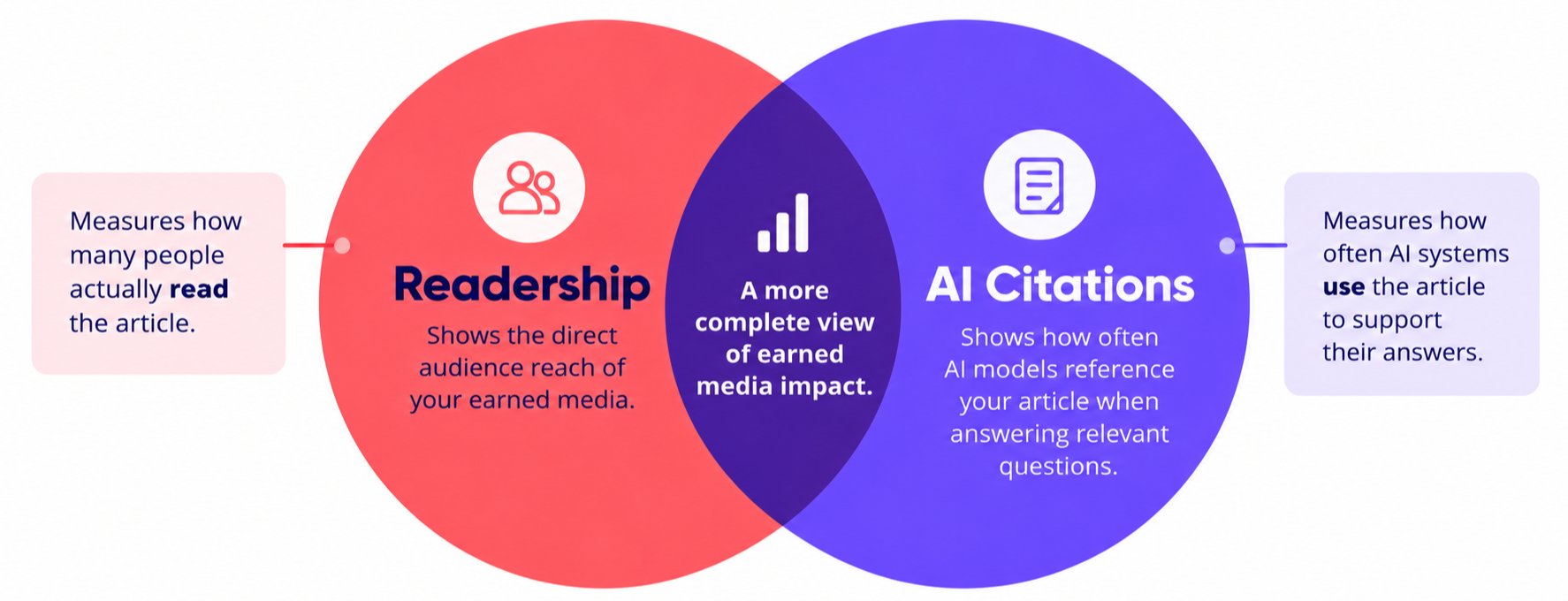
For years, PR and communications teams have measured earned media success through coverage volume, reach, sentiment, and readership. These metrics tell us which stories reached audiences and how they performed.
But there's a new audience for earned media: AI.
As people increasingly turn to ChatGPT, Gemini, and Claude Overviews for information, AI-generated answers are becoming another place where brand narratives take shape. And those answers often cite the same earned media articles that PR teams work hard to secure.
This raises a new question: It's not just who reads your coverage, but whether AI uses it to answer questions about your brand.
That's where AI Citations come in.
Three ways AI Citations are changing earned media strategy
1. The most-read publishers aren't necessarily the most-cited
A publication that consistently delivers strong readership may not be the one AI models reference most frequently.
Meanwhile, a specialized article with modest readership could become a recurring source for questions about a particular industry, product, or issue.
This creates a new opportunity for media targeting.
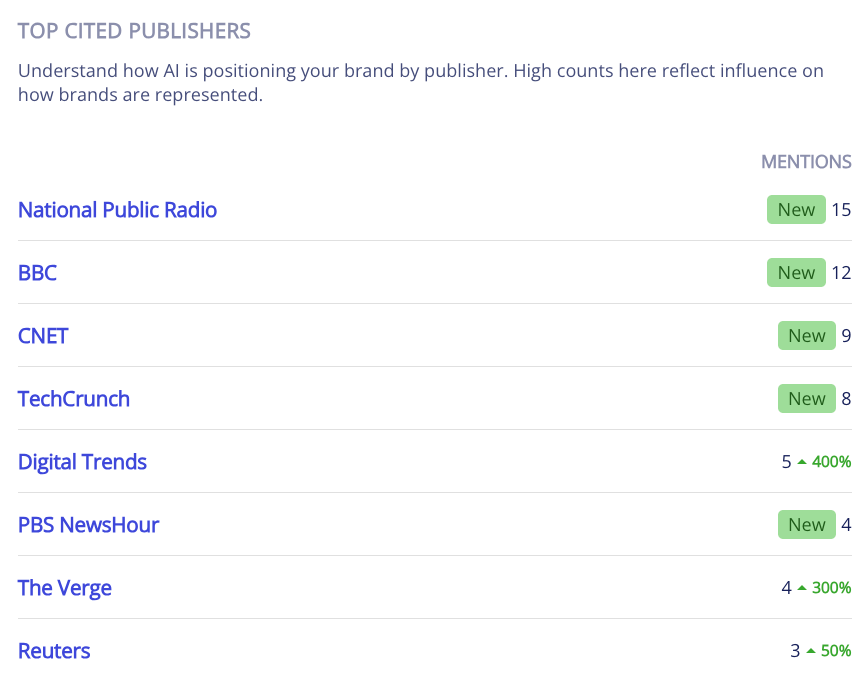
What PR teams can do: Compare readership and AI citation performance to identify publishers that deliver direct audience reach, contribute to AI-generated narratives, or accomplish both.
2. Your competitors could be shaping AI answers without you
Imagine someone asks an AI assistant:
Which retailers offer the best value for budget-conscious shoppers?
The answer might cite several articles about pricing, affordability, and consumer value. But what if those sources consistently feature your competitors while your brand is absent?
Your company could be generating substantial positive coverage and strong readership while remaining underrepresented in AI-generated answers about a priority topic.
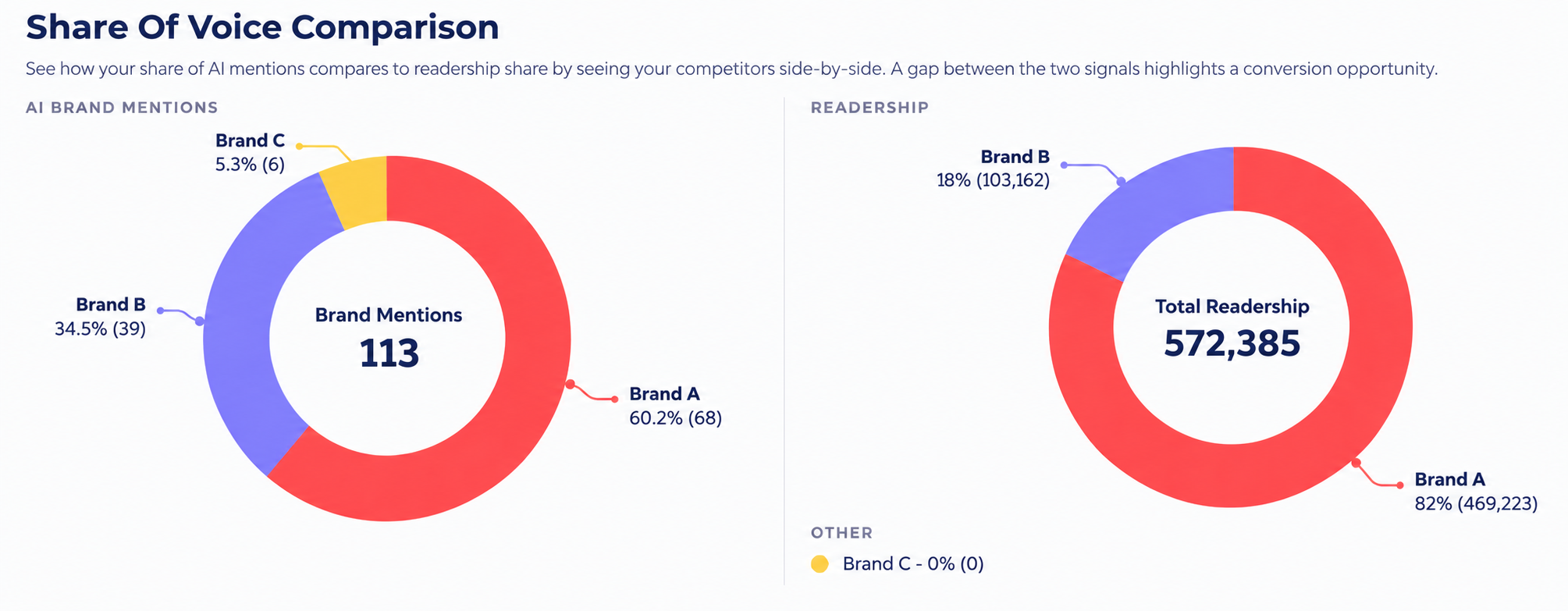
What PR teams can do: Analyze which competitors, publishers, and articles appear in AI responses to identify narrative gaps and inform future media outreach.
3. Your coverage can outlast the news cycle
An article's readership may peak shortly after publication, but AI systems can continue referencing that coverage when answering relevant questions.
That creates both opportunities and risks.
Positive stories may continue supporting answers about your brand's products or expertise. Negative coverage may resurface in responses about corporate controversies long after the initial headlines fade.
AI citations aren't permanent, either. New reporting and changes in AI models can shift which sources appear.
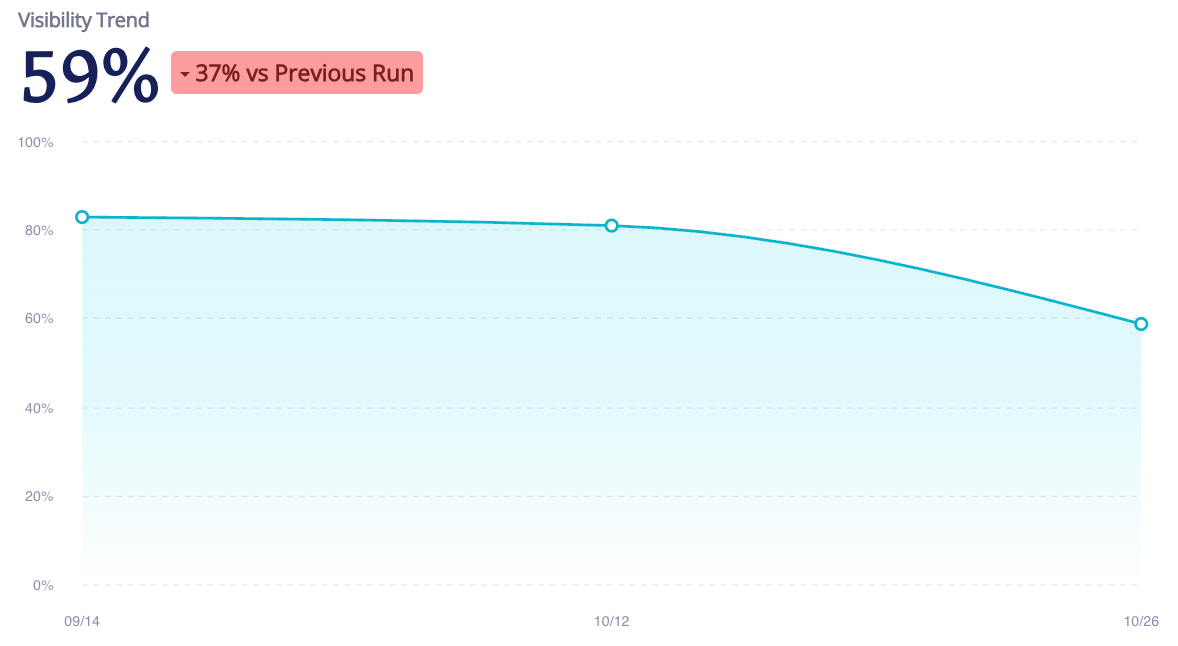
What PR teams can do: Monitor citations over time to understand which stories continue appearing in AI responses, how narratives evolve, and when new coverage changes the conversation.
From more metrics to smarter decisions
The value of AI citations isn't simply another number to report. It's what communications teams can do with that information.
By combining readership and AI citation data, PR teams can:
- Refine media targeting: Identify publishers delivering both strong readership and frequent AI citations.
- Find competitive gaps: See which narratives competitors are represented in and which sources support their visibility.
- Track lasting impact: Understand whether important coverage continues appearing in AI-generated answers beyond publication.
These insights help turn earned media measurement into a more informed media strategy.
The next evolution of earned media measurement
AI citations aren't replacing readership. They're revealing a dimension of media performance that readership alone can't capture.
An article with millions of readers but few AI citations can still be a major success. Likewise, an article with modest readership but frequent citations may be contributing to important AI-generated narratives.
With Memo's AI Citations, part of Signal AI, communications teams can measure which earned media articles are cited by major AI models, understand the prompts driving those citations, and compare that activity against actual readership data sourced directly from publishers.
The NPR example makes the case: 13,732 readers told one story. Seventeen AI citations revealed another.
The future of earned media measurement isn't just about who reads your story. It's also about whether AI uses it to tell the story.
Discover how Signal AI and Memo help communications teams measure earned media impact across human readership and AI-generated answers.